
100cuci | Banking & Payment Options

Choosing a convenient and secure payment method is an important part of managing any online account. For Malaysian users, digital banking has become increasingly integrated into everyday transactions, with online banking, payment cards, e-wallets, QR payments, and instant transfer services offering different ways to move money electronically.
The 100cuci Banking & Payment Options guide provides an overview of common payment methods Malaysian users may encounter when using an online platform. Payment availability, transaction limits, processing times, fees, and verification requirements can vary by platform and financial institution, so users should always check the current information displayed by 100cuci and their bank before completing a transaction.
Malaysia has a well-developed electronic payment ecosystem. Bank Negara Malaysia reports that electronic payments include payment cards, e-wallets, internet banking, and mobile banking.
Understanding 100cuci Banking & Payment Options
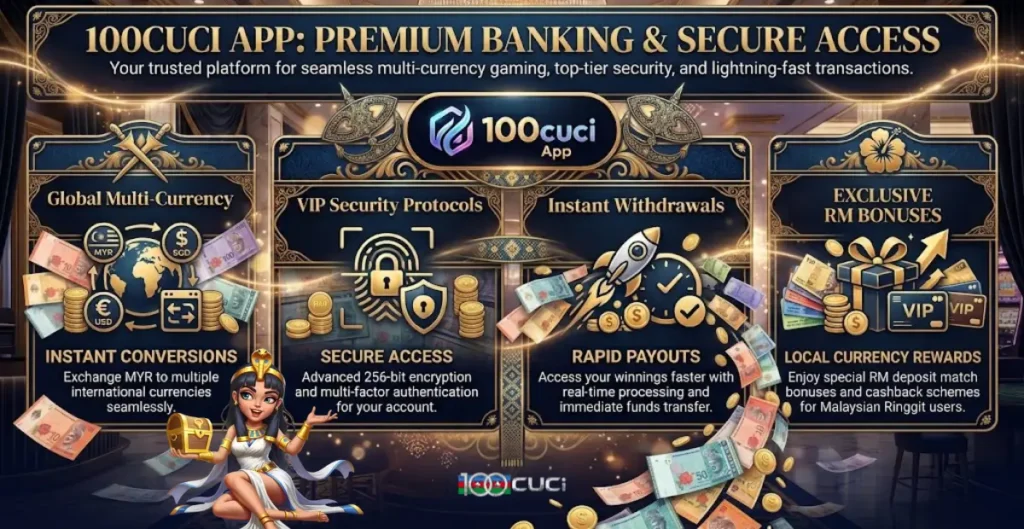
100cuci Banking and payment options refer to the different financial channels that may be available for deposits, withdrawals, transfers, or other account-related transactions.
For Malaysian users, familiar options can include:
- Online banking
- FPX-style internet banking payments
- DuitNow transfers
- DuitNow QR
- Debit cards
- Credit cards
- E-wallets
- Mobile banking
- Bank transfers
- Other payment services supported by the platform
Not every payment method is necessarily available at all times. The options shown to an individual user may depend on the platform, financial institution, transaction type, verification status, and applicable limits.
Bank Negara Malaysia identifies FPX as an internet-based multi-bank payment platform that uses participating banks’ internet banking services for online payments.
Online Banking in Malaysia
Online banking is one of the most established ways for Malaysian customers to make electronic payments. Customers can use their bank’s website or mobile application to perform various banking activities, including fund transfers and payments.
For an online platform such as 100cuci, an online banking option may allow users to select a participating financial institution and complete payment through the bank’s authentication process.
The typical process can involve:
- Logging into the 100cuci account.
- Opening the banking or payment section.
- Selecting an available online banking method.
- Entering the required amount.
- Selecting a participating bank.
- Being redirected to the bank’s secure authentication page or application.
- Reviewing the transaction details.
- Authorising the payment through the bank.
- Returning to the platform after successful completion.
- Checking the account balance or transaction history.
Users should carefully check the recipient, amount, and transaction details before authorising any payment.
FPX and Internet-Based Payments
FPX is an important part of Malaysia’s online payment infrastructure. Bank Negara Malaysia describes FPX as a multi-bank internet payment platform designed for electronic commerce transactions.
Where an FPX payment option is offered, users may be able to make a payment through their participating Malaysian bank without manually entering card information.
Potential advantages include:
- Familiar online banking authentication
- Access to participating banks
- Convenient electronic transactions
- No need to handle physical cash
- Immediate confirmation in many situations
However, processing times and availability can depend on the bank, payment system, maintenance schedules, and the platform receiving the payment.
DuitNow and Bank Transfers
DuitNow is another significant component of Malaysia’s modern payment ecosystem. Bank Negara Malaysia’s payment information includes DuitNow among the country’s payment systems, while recent developments have expanded instant and interoperable payment capabilities.
Depending on the payment options provided by 100cuci, users may encounter bank-transfer or DuitNow-related payment instructions.
Before making a transfer, users should verify:
- Recipient details
- Account or payment reference
- Amount
- Transfer limit
- Bank name
- Payment instructions
- Any applicable transaction fee
A transfer should only be made using payment details displayed through an official and trusted platform channel.
DuitNow QR Payments
QR payments have become increasingly common in Malaysia. Bank Negara Malaysia reports substantial growth in DuitNow QR usage, with three billion transactions recorded in 2025 and almost three million registered DuitNow QR touchpoints at the end of that year.
A QR payment generally works by scanning a displayed QR code through a supported banking or e-wallet application.
A basic process may look like this:
- Open the banking or e-wallet application.
- Select the QR payment function.
- Scan the relevant QR code.
- Confirm the recipient or merchant information.
- Enter or confirm the amount.
- Review the transaction.
- Authorise the payment.
- Keep the transaction confirmation.
Users should avoid scanning QR codes from unofficial sources or messages. Always confirm the destination before authorising a transaction.
Debit Card Payments
Debit cards are widely used for everyday payments in Malaysia. They allow users to make purchases using funds connected to their bank account.
If debit card payments are supported by a platform, users may be asked for information such as:
- Card number
- Expiry date
- Security information
- Authentication approval
The exact information requested depends on the payment processor and bank.
Bank Negara Malaysia notes that card payments remain an important part of Malaysia’s payment landscape, with debit card transactions continuing to grow.
Users should never share their complete card credentials through unsolicited messages, social media, or unofficial customer-support channels.
Credit Card Payments
Credit cards may also be available through certain online payment systems. A credit card allows an eligible cardholder to make a transaction against their available credit facility.
Before using a credit card, users should understand:
- Available credit
- Transaction limits
- Bank fees
- Foreign-currency charges, if applicable
- Merchant or platform restrictions
- Repayment obligations
Credit card transactions can also require additional authentication from the issuing bank.
Users should review their bank’s terms before using a credit card for any online transaction.
E-Wallet Payment Options
E-wallets have become an important part of Malaysia’s electronic payment environment. Bank Negara Malaysia includes e-wallets within the country’s broader e-payment ecosystem.
An e-wallet can provide a convenient way to make digital payments through a smartphone application.
Depending on the platform and current payment arrangements, Malaysian users may encounter supported e-wallet options or wallet-based payment services.
Before choosing an e-wallet, check:
- Whether the wallet is supported
- Account verification requirements
- Transaction limits
- Available balance
- Transfer or payment fees
- Refund procedures
- Applicable security controls
Not every e-wallet will necessarily be compatible with every online platform.
Mobile Banking
Mobile banking combines traditional banking functions with smartphone-based access. Malaysian users can use participating bank applications to transfer funds, approve payments, check balances, and manage account security.
Bank Negara Malaysia reported that mobile banking continued to be the preferred online banking channel in 2025, with active mobile banking users reaching approximately 25 million.
For users making payments through a mobile device, keeping the banking application updated and using the bank’s official application is important.
Users should also enable available security features such as:
- Device authentication
- Biometric login
- Transaction notifications
- Spending controls
- Security alerts
- Account monitoring
Choosing a Suitable Payment Method
There is no single payment method that suits every Malaysian user. The appropriate option depends on factors such as convenience, availability, transaction size, processing time, fees, and personal banking preferences.
Online Banking
Suitable for users who prefer to pay directly through their bank.
DuitNow
Useful where instant or interoperable transfer services are supported.
QR Payments
Convenient for smartphone users who prefer scanning a QR code.
Debit Cards
Useful for users who prefer card-based payments linked to their bank balance.
Credit Cards
Can provide another card-based payment option for eligible customers, subject to the card issuer’s terms.
E-Wallets
Convenient for users who already maintain funds in a supported digital wallet.
The most important consideration is whether the method is officially supported and whether the transaction details can be independently verified.
Payment Processing Times
Payment processing time can vary depending on the selected method.
Some electronic payments may receive confirmation quickly, while other transactions can require additional processing. Bank maintenance, payment-system interruptions, verification checks, weekends, public holidays, or incorrect payment information may affect processing.
For this reason, users should not assume that every payment method has identical processing times.
If a payment appears delayed, users should first check:
- Their bank transaction history.
- The platform’s transaction history.
- The payment confirmation.
- Whether the amount was deducted.
- Whether the transaction is pending or completed.
- Whether additional verification is requested.
Avoid making repeated payments simply because an earlier transaction has not immediately appeared in the account.
Payment Limits and Fees
Payment limits and fees are important considerations when selecting a banking option.
Banks and payment providers may establish different limits depending on the account, payment method, security settings, and transaction type. Bank Negara Malaysia also publishes information concerning selected electronic payment services and fees to support greater transparency.
Before confirming a payment, check:
- Minimum transaction amount
- Maximum transaction amount
- Daily bank limits
- Platform limits
- Processing fees
- Bank charges
- Possible currency-conversion costs
- Withdrawal conditions
The exact terms applicable to 100cuci should be confirmed through its current payment page and terms.
Banking Security for Malaysian Users
Security should be a priority whenever money is transferred electronically.
Bank Negara Malaysia advises internet banking users to protect login IDs, passwords, and PINs, verify that they are using the correct website, log out after banking sessions, and maintain appropriate protection against malicious software.
Additional good practices include:
Use Strong Passwords
Create a unique password for your account and avoid using easily guessed information.
Protect One-Time Authentication Codes
Never provide an OTP or authentication approval to someone who contacts you unexpectedly.
Check Payment Details
Review the recipient and amount before confirming a transaction.
Use Official Applications
Download banking and payment applications through legitimate app stores or official financial institution websites.
Monitor Transactions
Regularly review bank statements, wallet activity, and platform transaction histories.
Enable Notifications
Transaction notifications can help users identify suspicious activity quickly.
What to Do If a Payment Fails
A failed transaction does not always mean that money has been permanently lost. The status may depend on the bank, payment provider, and receiving platform.
If a payment fails:
- Do not immediately repeat the transaction.
- Check whether your bank account was debited.
- Record the transaction reference.
- Check the platform’s payment history.
- Review any error message.
- Contact the relevant bank or payment provider if necessary.
- Contact the platform through its official support channel when appropriate.
If your bank shows a completed debit but the platform does not show the corresponding transaction, keep the bank reference and payment confirmation available for investigation.
Withdrawals and Banking Transfers
Banking options may also be relevant when withdrawing funds from an online account, where withdrawals are supported.
Withdrawal requirements can differ from deposit requirements. A platform may require account verification before processing certain transactions.
Users should check:
- Supported withdrawal method
- Minimum withdrawal amount
- Maximum withdrawal amount
- Processing time
- Verification requirements
- Bank-account ownership requirements
- Applicable fees
Using an account that belongs to another person can create additional verification issues, depending on the platform’s terms.
Cross-Border Payment Considerations
Malaysia is increasingly connected to regional digital payment networks. Bank Negara Malaysia has highlighted cross-border payment developments involving countries such as Singapore, Indonesia, Thailand, and Cambodia.
However, Malaysian users should be particularly careful with cross-border transactions because additional factors may apply, including:
- Currency conversion
- Foreign transaction charges
- Exchange rates
- International payment restrictions
- Additional verification
- Processing times
- Bank-specific requirements
If a transaction involves another currency or overseas financial institution, check the total cost before confirming it.
Responsible Payment Management
Good payment management means understanding how much money is being transferred and maintaining control over spending.
Users should keep track of:
- Deposit amounts
- Withdrawal amounts
- Bank balances
- Payment fees
- Transaction history
- Account limits
Setting personal spending limits can also help users maintain better control over online transactions.
For any platform involving paid gaming or wagering, users should also review applicable laws, age requirements, platform terms, and responsible-use policies before participating.
Frequently Asked Questions
What banking options can Malaysian users use with 100cuci?
Available options depend on the platform’s current payment system. Common Malaysian electronic payment methods include online banking, bank transfers, cards, e-wallets, and QR-based payments. Users should check the current 100cuci payment page for the methods actually supported.
Is online banking available in Malaysia?
Yes. Online and mobile banking are established parts of Malaysia’s electronic payment ecosystem. Bank Negara Malaysia identifies internet banking as a retail payment channel for activities such as fund transfers and bill payments.
Can I use DuitNow?
DuitNow availability depends on the payment service offered by the platform. If a DuitNow option is displayed, users should follow the official payment instructions and verify the recipient details before confirming.
Are payment fees charged?
Fees depend on the payment method, financial institution, and transaction. Users should check the displayed fee information before confirming a transaction.
How long does a payment take?
Processing times vary by payment method and provider. Some electronic payments can be confirmed quickly, while others may require additional processing or verification.
What should I do if money is deducted but my account is not updated?
Check the transaction status with your bank and retain the payment reference. Avoid making a duplicate payment until the status of the original transaction is clear.
Are card payments secure?
Card payments use security measures established by financial institutions and payment providers. Users should also protect their card information, use official payment pages, and review transaction details before authorisation.
Final Thoughts on 100cuci Banking & Payment Options
The Malaysian payment environment offers users multiple ways to manage electronic transactions, including online banking, bank transfers, payment cards, e-wallets, mobile banking, and QR payments. Bank Negara Malaysia’s recent reporting shows continued growth in electronic payments, mobile banking, card usage, and DuitNow QR transactions.
For users considering 100cuci Banking & Payment Options, the key is to choose a payment method that is officially supported, understand its limits and potential fees, and verify transaction information before authorising payment.
Security should remain equally important. Use official banking applications and websites, protect passwords and authentication codes, monitor account activity, and keep payment confirmations for your records.
Because payment methods, limits, fees, and platform requirements can change, Malaysian users should always consult the latest information displayed by 100cuci and their financial institution before making a transaction.